
SERVICES
Complete and Partial Dentures in Pleasanton
Complete vs. Partial Dentures, Choosing the Right Fit for Your Mouth
Most folks who walk into our Pleasanton office already know they need dentures. What they don’t know is which type. And, that’s the part that matters most.
The difference is straightforward. Complete dentures replace every tooth on your upper arch, lower arch, or both. Partial dentures fill in gaps where some teeth are missing while your remaining healthy teeth stay in place. One replaces everything, the other works around what you’ve still got.
So how do you know which one you need? It comes down to what’s happening in your mouth right now. Here’s what we look at during your consultation:
- How many natural teeth remain and their condition
- The health of your jawbone and gum tissue
- Whether remaining teeth can support a partial framework
- Your bite alignment and how your jaw moves
We see patients near the Bernal area who come in thinking they need a full set when really a partial denture would serve them better. The reverse happens too. Someone holds onto a few teeth that are barely hanging on, hoping for a partial, when those teeth actually need to come out first.
The answer becomes obvious once we take digital X-rays and do a full exam.
When a Partial Makes More Sense
If you’ve got several strong teeth left, a partial denture clasps onto them for stability. It’s less of an adjustment. You keep some natural chewing power, your jawbone stays more stimulated where roots remain. But those anchor teeth need to be solid. Weak anchors create bigger problems down the road.
When Complete Dentures Are the Better Call
Sometimes the remaining teeth just aren’t worth saving. Severe decay, advanced gum disease, repeated infections. In those cases, complete dentures give you a fresh start. The American College of Prosthodontists reports that over 36 million Americans have no remaining teeth. You’re not alone in this, and the results can genuinely change how you eat and smile every day.
Not sure which direction is right? Give us a call and we’ll figure it out together.
Signs You Are Ready for a Denture Consultation
Maybe you’ve been putting this off for a while. That’s okay. Most people who walk into our Pleasanton office have been thinking about dentures for months before they finally pick up the phone.
But your mouth is telling you something. It’s worth listening.
Here are the signs we hear about most often from folks right here in the Birdland neighborhood and across town:
- You’re avoiding foods you used to love because chewing hurts or feels unstable
- You’ve already lost several teeth and the gaps are getting harder to ignore
- Your remaining teeth feel loose or your gums are sore more days than not
- You catch yourself covering your mouth when you smile or laugh
- You’ve had repeated infections or abscesses that keep coming back
Someone comes in convinced they just need one more filling or one more crown. Then we take digital X-rays and the picture tells a different story. Bone loss has already started. The teeth that are left can’t support a bridge anymore. At that point, a denture isn’t giving up, it’s the smartest move you can make.
There’s also the social side of it. You stop going out to eat with friends. You talk differently because you’re working around a gap. That wears on you, it changes how you feel about yourself day to day.
Not sure if you’re at that point yet? That’s actually pretty common. You don’t need to have all the answers before you come in. Our team does a full exam and walks you through what’s going on so you can decide with real information instead of guessing. We’ve been doing this for years and the conversation is always easier than people expect.
One thing worth knowing. Data from the American College of Prosthodontists shows over 36 million Americans have no remaining natural teeth. You’re not alone in this. And getting started sooner usually means more options, not fewer.

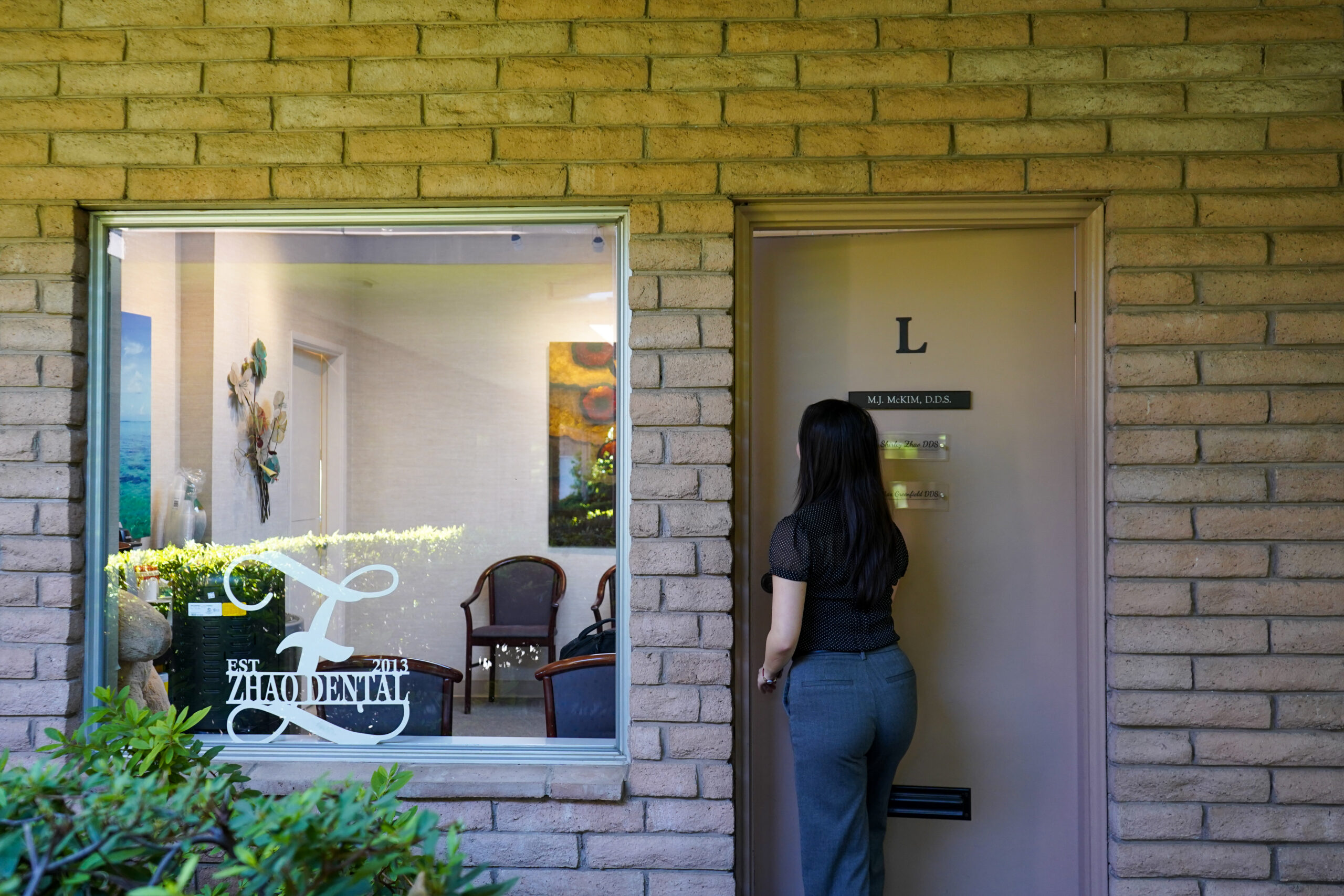
What the Denture Process Looks Like from First Visit to Final Fit
Most people want to know exactly what’s going to happen before they sit in the chair. Fair enough. Here’s how we walk you through it at our Pleasanton office, step by step.
- Initial exam and impressions. We check your gums, take digital X-rays, and make molds of your mouth. If teeth need to come out first, we’ll talk about that too. This visit sets the whole plan.
- Wax try-in. We get a wax model back from the lab. You try it on. We look at the bite, the tooth shape, the color. You get a say in how your smile looks before anything is final.
- Adjustments before processing. If something feels off or looks wrong, we fix it now. Moving a tooth slightly forward, adjusting the gum line. Small changes here save big headaches later.
- Final denture delivery. The finished denture comes in. We seat it, check the fit, make sure your bite is balanced. You’ll practice talking and biting down right here in the office.
- Follow-up visits. Sore spots happen with new dentures. You come back, we adjust. Usually takes two or three short visits to get everything dialed in.
The whole process typically runs four to six weeks from start to finish. Some cases go faster, some take a bit longer if we’re coordinating with extractions or bone grafting beforehand.
One thing that surprises people is how much input they have. You’re not just handed a set of teeth and told to deal with it. During the wax try-in stage, patients from the Birdland neighborhood and all across town tell us things like “I want my teeth a little whiter” or “Can you make them look more natural?” And we listen.
But here’s what really matters. The fit. A denture that looks great but rocks around when you eat isn’t doing its job. We spend real time checking how your upper and lower jaw come together, we test it with different movements. That attention during delivery is what separates a denture you tolerate from one you actually forget you’re wearing.
Wondering if this process sounds right for you? Give us a call and we’ll walk you through your options.
Adjusting to Your New Dentures, What Feels Normal and What to Watch For
That first week with dentures feels weird. There’s no way around it. Your tongue doesn’t know what to do, eating takes concentration, and talking can feel clumsy. We tell every patient in Pleasanton the same thing: this is normal, it passes faster than you think.
Most people adjust within two to four weeks. Your mouth needs time to learn the shape of something new. Saliva production might increase for the first few days. That settles down on its own.
Here’s what you should expect during the adjustment period:
- Mild soreness along the gums, especially after meals
- A feeling of fullness or bulkiness in your mouth
- Slight changes in how certain words sound when you speak
- Minor difficulty biting into harder foods at first
We see patients near Pleasanton Downtown come back after a week convinced something’s wrong. Most of the time, they’re just adjusting normally. Reading out loud for ten minutes a day actually speeds up the speech adjustment. It sounds silly, but it works.
Now, some things aren’t normal. Sharp pain in one spot that doesn’t fade means the fit needs a small tweak. Persistent rubbing that creates a sore is a sign to come in. And if your dentures shift or click when you talk after the first couple weeks, that’s worth checking too.
We schedule a follow-up visit shortly after delivery for exactly this reason. Small adjustments make a big difference in comfort. Sometimes we’ll smooth one tiny area and the whole experience changes for you.
One thing that helps: start with soft foods. Scrambled eggs, pasta, cooked vegetables. Cut everything into small pieces and chew on both sides evenly. You’ll build confidence quickly, then graduate to firmer foods within a couple of weeks.
Don’t skip that follow-up appointment. Even if things feel fine, we want to check how your gums are responding and make sure the bite is settling correctly. A five-minute adjustment now can prevent a bigger problem later.

Keeping Your Dentures Fitting Well for Years to Come
Your bone and gum tissue don’t stay the same forever. They change shape slowly over time. And that means the dentures that fit perfectly today won’t feel the same two or three years from now.
We tell every patient in Pleasanton the same thing: the denture itself isn’t wearing out, your mouth is shifting underneath it. Research shows that bone resorption in the jaw continues throughout life after teeth are removed. That gradual change is why regular checkups matter so much.
What to Watch For
Most people don’t notice the fit changing day to day. It’s slow. But there are signs that tell you it’s time to come in:
- Sore spots that keep coming back in the same place
- Your denture rocking or clicking when you chew
- More adhesive needed than you used to use
- Food getting trapped underneath more often
In many cases, a reline fixes the problem. We reshape the tissue side of your denture so it hugs your ridge again. It’s a straightforward visit, not a whole new appliance. But if you wait too long, a reline won’t cut it and you’ll need a full replacement.
Daily Habits That Make a Real Difference
How you care for your dentures at home matters just as much as what we do in the office. Brush them daily with a soft brush and a non-abrasive cleaner. Soak them overnight. Never use hot water, it can warp the acrylic base permanently. For a deeper look at best practices, Harvard School of Dental Medicine offers helpful denture care and adjustment tips worth reviewing after your delivery appointment.
And don’t skip your annual check-ups even if everything feels fine. We check your oral tissue for irritation, screen for any concerns, and make sure the fit is still solid. Patients near the Bernal area sometimes tell us they waited years because nothing hurt. By the time they came in, the bone loss had changed things quite a bit.
So here’s the honest truth. Getting dentures is a big step, but keeping them working well is an ongoing relationship. We see patients who’ve worn the same set comfortably for years because they stayed on top of small adjustments. That’s the goal for every person who sits in our chair in Pleasanton.
Your dentures should feel like part of you, not something you fight with every morning.

Your Questions Answered
Frequently Asked Questions
How long does it take to get dentures in Pleasanton from start to finish?
Most patients complete the full denture process in four to six weeks. That timeline covers your initial exam, impressions, wax try-in, adjustments, and final delivery. If you need extractions first, it takes a bit longer. We coordinate everything from our Pleasanton office so you’re not bouncing between providers. The good news is that most of the visits are short. You’ll spend the most time at your first appointment and your final fitting.
What is the difference between a complete and a partial denture?
A complete denture replaces every tooth on one or both arches. A partial denture fills in gaps while your remaining healthy teeth stay in place. The right choice depends on how many teeth you have left and how strong they are. We take digital X-rays at your first visit to get a clear picture. Some patients come in expecting a full set and leave with a partial plan instead. The exam tells the real story.
My remaining teeth feel loose — does that mean I need full dentures?
Not always, but loose teeth are a sign we need to look closely. Loose teeth can mean bone loss or advanced gum disease, which sometimes makes extraction the smarter move. Other times, a few of those teeth can still anchor a partial denture. We see this situation often with patients from the Birdland neighborhood and across Pleasanton. We won’t pull a tooth unless it truly can’t be saved. You’ll know exactly what we find and why we recommend what we do.
What should I bring to my first denture consultation in Pleasanton?
Bring a list of any medications you take and your dental insurance card if you have one. If you have recent X-rays from another dentist, those are helpful too. Most importantly, bring your questions. Patients often come in unsure whether they’re ready for dentures at all. That’s completely fine. We do a full exam and walk you through everything we find so you can make a real decision, not a guess.
How many follow-up visits will I need after getting my dentures?
Plan on two to three follow-up visits after your final denture delivery. Sore spots are normal with new dentures, and small adjustments make a big difference in comfort. Most of these visits are quick. We check how your bite is settling, smooth any pressure points, and make sure the fit is staying stable. Patients across Pleasanton are usually well-adjusted within a few weeks of their delivery appointment.
Can I have input on how my dentures look before they are finished?
Yes, and that input happens at the wax try-in stage before anything is permanent. You try on a wax model and give feedback on tooth color, shape, and how natural everything looks. If you want them whiter or slightly repositioned, we make those changes before the final denture is processed. This step exists specifically so you don’t get surprised at the end. Most patients are glad they spoke up — small tweaks at this stage are easy, changes after are not.
Contact Us
Join Our Growing Dental Family
Whether you are looking for a routine cleaning or a full smile makeover, we invite you to experience the difference that compassionate, comprehensive care makes.

Phone

Location
1400 Santa Rita Road, Suite L, Pleasanton, CA 94566