SERVICES
Oral Surgeon in Pleasanton
ORAL SURGERY
What an Oral Surgeon Does That a General Dentist Cannot
Your general dentist is great for cleanings, fillings, and checkups. But some problems go beyond what they’re trained to handle. That’s where an oral surgeon steps in.
We completed four extra years of hospital-based surgical training after dental school. That means we handle bone, tissue, nerves, and jaw structures that most dental offices aren’t equipped to touch. Think of it this way: your dentist spots the problem, and we fix the hard stuff.
Here are the kinds of cases that land in our office instead of a general practice:
- Impacted wisdom teeth buried deep in the jawbone
- Bone grafting to rebuild areas where teeth have been missing
- Dental implant placement that requires precise surgical positioning
- TMJ/TMD therapy for chronic jaw pain that hasn’t responded to other treatment
- Emergency tooth extraction when a tooth has fractured below the gumline
Here’s what we offer:
01
Wisdom Tooth Extractions
02
Bone Grafting
03
Oral Sedation
We also work under sedation options that most general offices can’t offer. Nitrous oxide and oral sedation let us handle longer, more involved procedures while you stay comfortable. That matters a lot when we’re working near nerves in the lower jaw or reconstructing bone near your sinuses.
Here’s something folks near the Bernal neighborhood ask us all the time. “Can’t my regular dentist just pull this tooth?” Sometimes, yes. But when roots are curved, fused to bone, or sitting right next to a nerve canal, a general dentist will refer you out for good reason. And we’re glad they do; it keeps you safer.
So if your dentist has mentioned a referral, don’t put it off. That recommendation means your case needs someone who does this work every day.
Common Procedures Handled at Our Pleasanton Office
Most people walk through our door needing one of a handful of things. Wisdom teeth that won’t cooperate. A jaw that clicks or locks. An implant site that needs bone support before anything else can happen. We handle all of it right here.
Certain procedures come up again and again:
- Wisdom tooth extractions, including fully impacted teeth buried under bone and gum tissue
- Dental implant placement, single teeth, multiple sites, or implant-supported restorations
- Bone grafting, rebuilding the jaw so it can support implants down the road
- TMJ/TMD therapy, for patients dealing with chronic jaw pain, popping, or limited movement
- Emergency tooth extraction, when infection or trauma means a tooth needs to come out now
We see a lot of patients who’ve been told by their general dentist that a referral is needed. That’s usually the right call. Oral surgery isn’t something you want done by someone who only does it once a month.
The person sitting in our chair has often been putting this off. Maybe for months. Sometimes years. And the procedure itself is almost never as bad as the waiting and worrying.
Something people don’t always realize is how connected these procedures are. You might come in for a tooth that’s cracked below the gumline. We extract it, place a bone graft at the same visit, then later handle the implant placement once the site heals. That kind of start-to-finish planning saves you extra appointments, extra healing time, and extra stress.
We also prep implant sites for patients whose restorations will be finished by their regular dentist. It’s a team effort. We coordinate closely so nothing falls through the cracks.
But not every case is surgical. Some patients just need a proper TMJ/TMD evaluation to figure out why their jaw hurts every morning. That matters too.


Sedation and Anesthesia Options for Oral Surgery
This is the part most people worry about. Not the procedure itself, the idea of being awake for it. We get it. And that fear keeps too many Pleasanton residents from getting treatment they actually need.
Here’s the truth. Modern oral surgery doesn’t have to hurt, and you don’t have to white-knuckle your way through it.
We offer different levels of sedation depending on what you’re having done and how you feel about the whole thing. Not everyone needs the same approach, so we talk through your options before anything happens.
Here’s what’s available:
- Local anesthesia: Numbs just the area we’re working on. You’re fully awake but feel no pain. Good for simple extractions or minor procedures.
- Nitrous oxide (laughing gas): Takes the edge off fast. You breathe it in, feel calm, and it wears off within minutes after we stop. You can drive yourself home.
- Oral sedation: A pill taken before your appointment puts you in a relaxed, drowsy state. You’ll need someone to drive you to and from our office.
Patients tell us afterward, almost every time, that the anxiety was worse than the actual experience.
Which option is right for you? That depends on your medical history, the procedure, and your comfort level. Someone coming in for a single extraction might just need local anesthesia and nitrous. A patient facing full-mouth implant placement will probably want IV sedation. We figure that out together during your consultation.
According to the American Association of Oral and Maxillofacial Surgeons, oral surgeons complete additional years of hospital-based training specifically in anesthesia administration. That training matters. It means we monitor your vitals, adjust dosing in real time, and keep you safe from start to finish.
Worried about sedation? Bring it up when you call. We’d rather spend ten extra minutes answering your questions than have you put off a procedure that’s only going to get harder later.
How to Prepare for Your Oral Surgery Appointment
Most people feel nervous before oral surgery. That’s normal. But a little prep goes a long way toward making the whole thing smoother for you and for us.
We walk every patient through what to expect before their procedure, but here’s a head start. Follow these steps once your appointment is booked:
- Share your full medical history with our team. Include all medications, supplements, and blood thinners. Even over-the-counter stuff matters.
- Ask us about eating and drinking. If you’re getting oral sedation or nitrous oxide, you’ll likely need to fast for several hours beforehand.
- Arrange your ride home. You can’t drive yourself after sedation. Have someone ready to pick you up from our Pleasanton office.
- Fill any prescriptions we give you ahead of time. You won’t want to stop at a pharmacy on the way home.
- Wear loose, comfortable clothing. Short sleeves help if we need to monitor your vitals.
- Set up your recovery spot at home. Extra pillows, soft foods, ice packs, your phone charger. Get it all ready the night before.
Patients who prep well recover faster.
And here’s something people forget. If you take daily medications for blood pressure or heart conditions, don’t skip them unless we specifically tell you to. Call us if you’re unsure. We’d rather answer a quick question than deal with a complication.
Wondering about what to eat after surgery? Stock up on yogurt, applesauce, mashed potatoes, and broth. Avoid anything crunchy or hot for the first couple of days. Getting supplies ready the day before is a small effort that really pays off during recovery.
One more thing. If you feel a cold coming on or develop a fever before your appointment, let us know right away. We may need to reschedule. Operating when your immune system is already fighting something creates unnecessary risk. Your safety comes first, every time.
Recovery Expectations and When to Call Right Away
Most people bounce back faster than they expect.
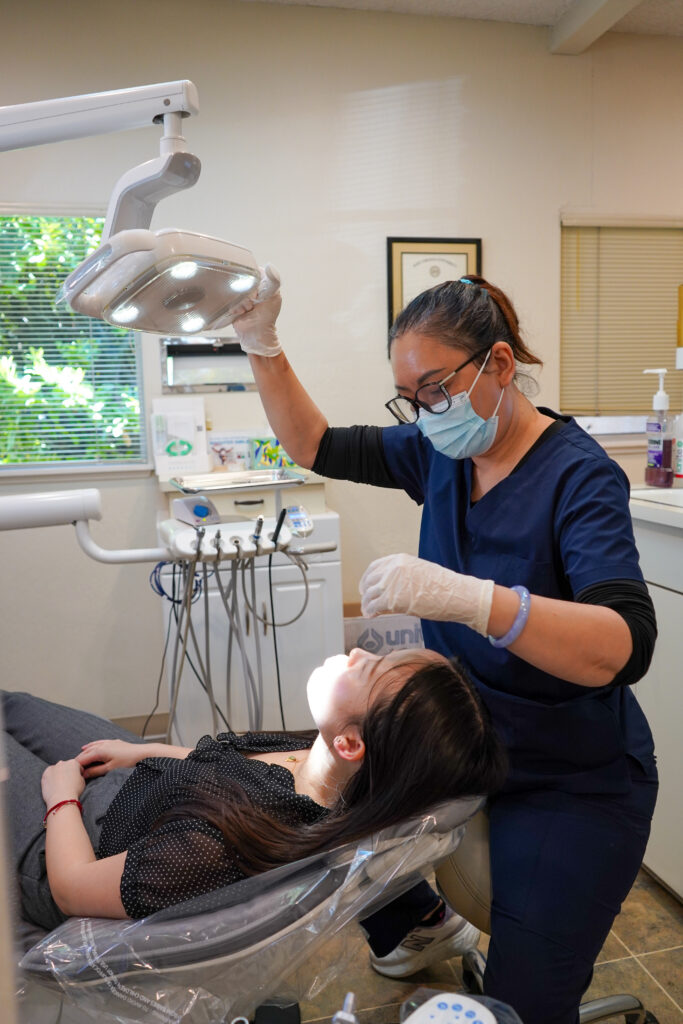
After a procedure with our oral surgeon, the first 48 hours matter most. You’ll likely have some swelling, mild bleeding, and soreness around the site. That’s normal. Your body’s doing exactly what it should. We send every patient home from our Pleasanton office with clear written instructions so you’re not guessing about anything once the numbness wears off.
Here’s what a typical recovery looks like for common procedures:
- Day one: rest, ice packs on for 20 minutes then off for 20, and stick to soft foods and cold drinks.
- Days two through three: swelling usually peaks, then starts going down. Keep your head elevated when you sleep.
- Days four through seven: most patients feel close to normal. You can ease back into regular meals.
- Week two: any remaining soreness fades. Stitches dissolve or we remove them at a quick follow-up visit.
We tell patients across town the same thing: don’t use straws, don’t smoke, don’t poke at the area with your tongue. When someone calls with a problem, it almost always traces back to one of those three things.
But some signs need immediate attention.
- Bleeding that won’t slow down after 30 minutes of firm gauze pressure
- Fever above 101 degrees that doesn’t respond to medication
- Swelling that gets worse after day three instead of better
- Numbness that hasn’t changed at all after 24 hours
Don’t sit at home wondering if something’s wrong. We’d rather you call and hear us say “that’s totally normal” than wait until a small issue turns into something bigger. Our team keeps same-day emergency appointments open for exactly this reason. You won’t get a voicemail and a callback next Tuesday.
Someone worried about a little blood on their pillow or food getting near the site, that concern means you’re paying attention, and that’s a good sign. Recovery from oral surgery in Pleasanton doesn’t have to feel stressful when you know what’s normal and what’s not.
Your Questions Answered
Frequently Asked Questions
What should I bring to my first oral surgery appointment in Pleasanton?
Bring a valid photo ID, your insurance card, and a list of any medications you currently take. If you’re having sedation, you’ll need a driver with you—you cannot go home alone after IV or oral sedation. Arrive a few minutes early so we can go over your health history without rushing. Wear comfortable clothing and avoid eating or drinking if your procedure involves sedation.
How long does it take to recover after wisdom tooth removal?
Most people feel back to normal within three to five days after a standard wisdom tooth extraction. Fully impacted teeth buried in the jawbone may take closer to a week. Swelling peaks around day two or three, then drops off. We send you home with clear aftercare instructions. Most Pleasanton patients are back to work or school within a few days, as long as they rest and follow post-op care.
Do I need a referral from my dentist to see an oral surgeon in Pleasanton?
No, you do not need a referral to book an appointment with us. Many patients come in on their own after noticing jaw pain, a broken tooth, or a problem with wisdom teeth. That said, if your dentist has already referred you, bring that paperwork — it speeds things up. Either way, we start with a consultation to look at your situation and talk through what makes sense for you.
Can Pleasanton residents with dental anxiety still get oral surgery done comfortably?
Absolutely — dental anxiety is one of the most common things we hear about from patients near neighborhoods like Bernal. We offer multiple sedation levels, from nitrous oxide that wears off in minutes to IV sedation where most patients don’t remember a thing. You won’t be pushed into anything. We talk through your comfort level during the consultation and pick the right option together. The anxiety almost always turns out to be worse than the procedure itself.
What happens after a tooth extraction if I also need a dental implant?
We often place a bone graft at the same visit as your extraction to preserve the jaw and prepare it for an implant later. This saves you extra appointments and healing time. Once the graft heals — usually a few months — we place the implant. Your regular dentist then finishes the restoration. We coordinate closely with your dentist so the whole process runs smoothly from start to finish.
Contact Us
Join Our Growing Dental Family
Whether you are looking for a routine cleaning or a full smile makeover, we invite you to experience the difference that compassionate, comprehensive care makes.

Phone

Location
1400 Santa Rita Road, Suite L, Pleasanton, CA 94566