The Common Hesitation
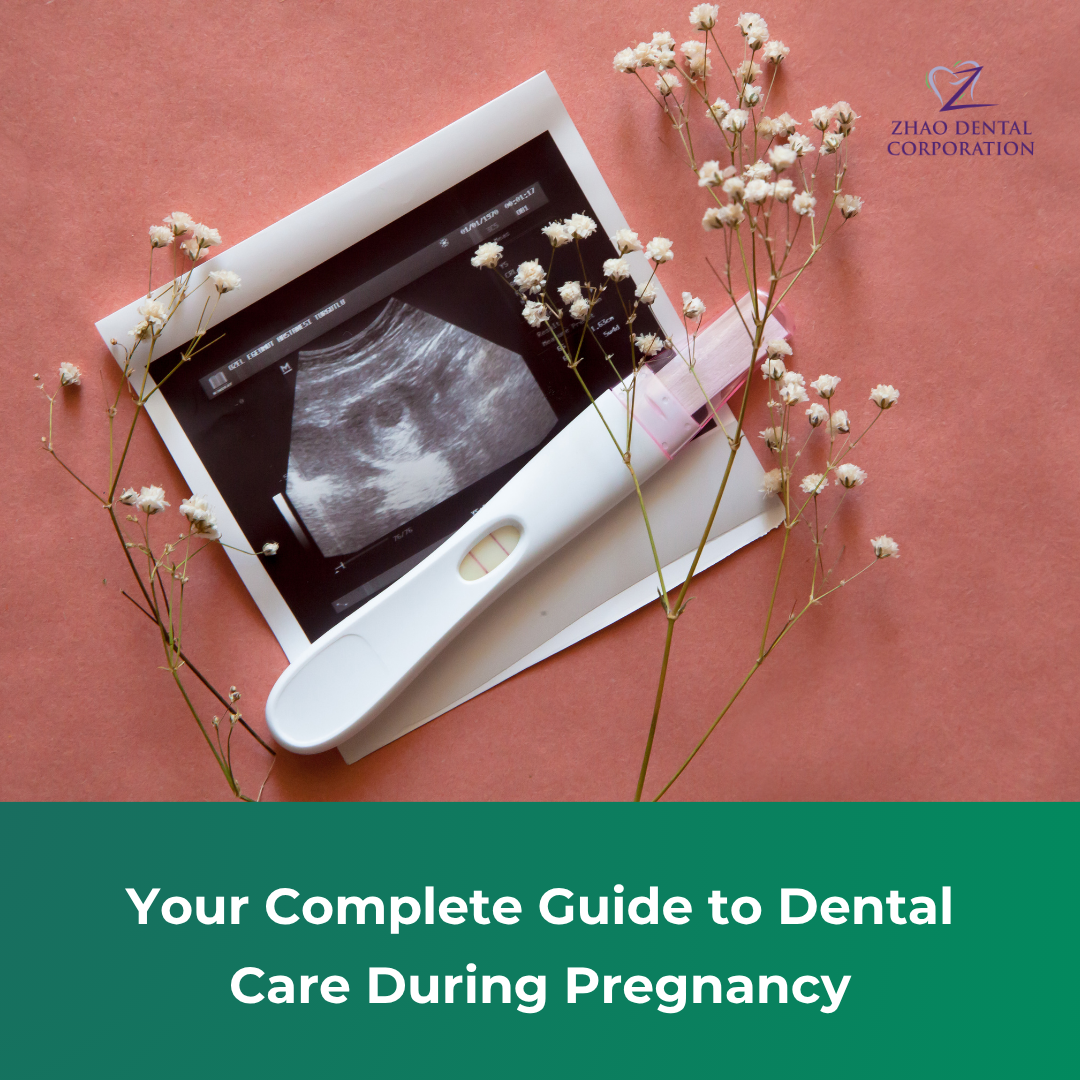
Finding out you are expecting is a whirlwind of joy, excitement, and a rapidly growing “to-do” list. For many expecting mothers here in Pleasanton, that list quickly fills up with OB-GYN visits, nursery decorating, and baby gear research.
Too often, a routine dental checkup gets pushed to the very bottom of the pile—or skipped entirely. Why? Because a lingering, anxious question echoes in the back of many mothers’ minds: Is it actually safe for my baby if I sit in the dental chair? It is completely natural to question everything you put into or near your body during these nine months. You are fiercely protecting your little one, and that hesitation comes from a place of deep love. However, delaying your dental care out of caution can actually have the opposite effect.
The High-Stakes Shift
Pregnancy triggers a massive, systemic surge in hormones—specifically progesterone and estrogen. While these hormones are busy doing the beautiful work of supporting your growing baby, they also fundamentally change how your body reacts to dental plaque.
During pregnancy, your gums become hyper-sensitive to bacteria. What used to be a minor, easily managed amount of plaque can suddenly trigger an intense inflammatory response.
Ignoring your dental health during these nine months doesn’t just affect your teeth; it can have real, measurable implications for your overall pregnancy wellness. Your oral health and your systemic health are intimately connected, and during pregnancy, that connection extends directly to your developing baby.
The Solution Thesis
Here is the definitive, reassuring truth: Not only can you go to the dentist while pregnant, but the American Dental Association (ADA) and the American College of Obstetricians and Gynecologists (ACOG) highly recommend it. Professional dental care is not a luxury or an optional chore to be postponed until after delivery; it is an essential component of comprehensive prenatal care. Keeping your regular appointments with our team is the single best defense against “pregnancy gingivitis” and is vital for ensuring a healthy, happy start for both you and your child.
X-Rays, Numbing, and Cleaning
When you are pregnant, safety is your top priority—and it is ours, too. Let’s demystify exactly what happens during a pregnancy dental visit so you can feel completely confident and at ease in our office.
Routine Care
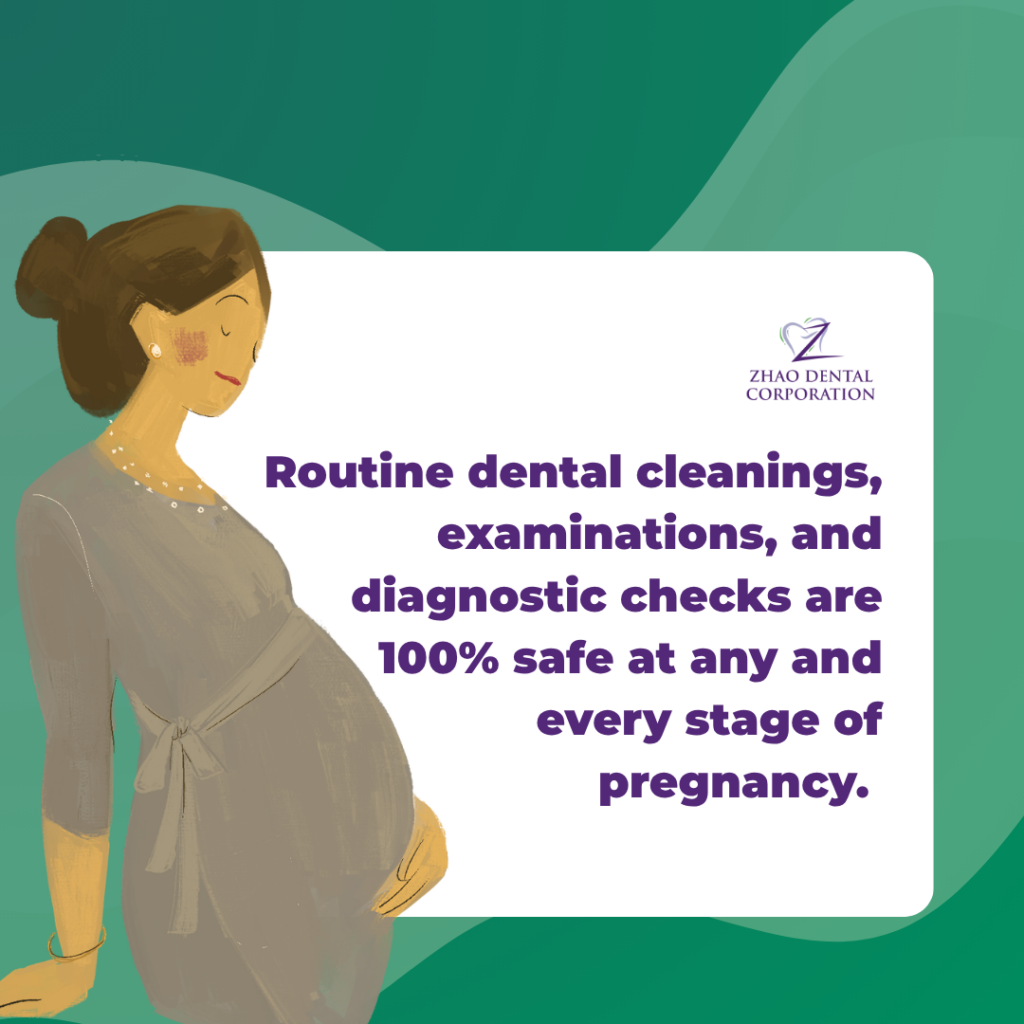
Routine dental cleanings, examinations, and diagnostic checks are 100% safe at any and every stage of pregnancy. In fact, professional cleanings are your primary line of defense against hormonal gum issues.
During a standard cleaning, we gently remove the hardened plaque (tartar) that your toothbrush simply cannot budge. By eliminating these bacterial reservoirs, we dramatically lower the inflammatory burden on your body.
The X-Ray Question
One of the most common anxieties expecting mothers voice is the fear of dental X-rays. It is a myth that you must avoid dental imaging entirely until your baby is born.
The Facts on Modern Dental X-Rays: Today’s digital dental X-rays use exceptionally low, highly targeted doses of radiation. The exposure is so minimal that it is roughly equivalent to the natural background radiation you receive just by spending a day outside in the California sun.
Furthermore, we do not take routine, elective X-rays during pregnancy. We only utilize them when clinically necessary to diagnose an underlying issue that could threaten your health, such as a hidden infection or deep decay.
When an X-ray is required, we implement strict safety protocols. We utilize leaded aprons and specialized thyroid collars to provide a “double-layer” of protective shielding over your abdomen and neck. This completely isolates the tiny beam of energy to your jaw, ensuring zero risk to your developing baby.
Emergency Work
What happens if you crack a tooth or wake up with a severe, throbbing toothache? Waiting months for delivery is not just painful—it is dangerous.
If you develop a dental infection or a severe abscess, the risk of that infection spreading through your bloodstream and affecting your systemic health is far greater than the risk of any dental treatment. Inflammation and active infections put a massive stress load on your body, which can trigger a cascade of unwanted prenatal complications.
If emergency dental work—such as a root canal or an extraction—is required, we can safely perform it. Local anesthetics (such as lidocaine) are thoroughly vetted and considered entirely safe for use during pregnancy. They effectively numb the localized area so you do not experience pain or stress, without crossing the placental barrier in a way that harms your baby. We can also consult directly with your OB-GYN to coordinate care and ensure everyone is aligned on your treatment plan.
Understanding “Pregnancy Gingivitis”
The Hormone Connection
Have you noticed that your gums bleed a little bit more when you brush or floss lately? You aren’t imagining things, and you aren’t alone. This is the hallmark sign of pregnancy gingivitis.
As mentioned, elevated progesterone levels cause blood vessels in the gums to become more dilated and fragile. This increased vascularity means your gum tissue reacts violently to even microscopic amounts of plaque.
The bacteria that your immune system used to tolerate suddenly trigger an alarm response, leaving your gums looking red, swollen, tender, and prone to bleeding at the slightest touch. Pregnancy gingivitis typically peaks during the second and third trimesters.
Why It Matters
It is easy to dismiss bleeding gums as a minor annoyance, but ignoring them can carry severe consequences. If left untreated, superficial gingivitis can advance into periodontitis—a severe, destructive infection of the bone and ligaments supporting your teeth.
Medical and dental research has revealed a compelling, undeniable link between advanced, untreated periodontal disease in pregnant women and increased risks of pre-term birth and low birth weight.
When your gums are chronically infected, oral bacteria and inflammatory chemical byproducts (called cytokines) can enter your bloodstream. These compounds can travel to the uterus, where they may prematurely trigger the production of labor-inducing chemicals. Keeping your gums healthy is quite literally a vital component of protecting your baby’s gestational timeline.
“Pregnancy Tumors”
The phrase “pregnancy tumor” sounds incredibly frightening, but take a deep breath: these growths are completely non-cancerous and harmless. Known clinically as pyogenic granulomas, these are localized, raw-looking overgrowths of gum tissue that typically erupt between the teeth.
They represent a hyper-reactive, benign inflammatory response where localized plaque irritation and surging pregnancy hormones collide. While they are harmless and usually shrink and disappear entirely on their own after you give birth, Dr. Zhao should still monitor them. If a growth bleeds excessively, causes pain, or interferes with your ability to chew or properly brush your teeth, we can safely treat or gently remove it.
Healthy Pregnancy Tips for Your Smile
Maintaining your oral hygiene at home can feel challenging, especially when you are dealing with fatigue, nausea, and lifestyle disruptions. Here are three highly practical, pregnancy-specific tips to keep your smile glowing:
1. Morning Sickness Management
Morning sickness (which, as any mother knows, can strike at any hour of the day or night) presents a unique hazard to your teeth. Stomach acid is highly corrosive. If you suffer from frequent vomiting, that acid washes over your teeth and temporarily softens your protective tooth enamel.
- The Golden Rule: Do not brush your teeth immediately after vomiting. Brushing your teeth while the enamel is softened by acid can actually scrub away your enamel.
- The Remedy: Instead, immediately rinse your mouth thoroughly with a mixture of plain water and a teaspoon of baking soda. The baking soda acts as a base, rapidly neutralizing the destructive stomach acid.
- The Wait: Wait at least 30 minutes for your saliva to naturally remineralize your teeth before you pick up your toothbrush.
2. The Second Trimester “Sweet Spot”
While dental care is safe during any trimester, the second trimester (weeks 14 through 28) is widely considered the ideal “sweet spot” for scheduling your dental appointments.
By the time you enter your second trimester, the intense morning sickness and exhaustion of the first trimester have usually begun to wane. Concurrently, you have not yet hit the late-stage physical discomforts of the third trimester, making it much easier and more comfortable to recline in the dental chair for a cleaning.
3. Balanced Nutrition for Two
Your dietary choices directly impact your oral health and your baby’s physical development. Focus on a diet rich in whole foods, paying special attention to these vital nutrients:
- Calcium & Vitamin D: Essential for the development of your baby’s embryonic teeth and bones. Excellent sources include dairy products, fortified plant milks, leafy greens, and almonds.
- Vitamin C: This vitamin is a powerhouse for gum health. It strengthens blood vessels and helps your body fight off oral infections, keeping pregnancy gingivitis at bay. Look to citrus fruits, bell peppers, and strawberries.
Frequently Asked Questions (FAQ)
Yes, absolutely. You should inform Dr. Zhao and our dental team the moment you know or suspect you are pregnant, even if you are only a few weeks along. Knowing this allows us to modify our care protocols immediately. We will avoid elective X-rays, select the safest possible dental materials and medications, and customize your appointment length to ensure you remain completely comfortable.
Yes. If a tooth is deeply decayed, broken, or actively infected, delaying care poses a direct threat to your health and comfort. Leaving an active, painful infection in your jaw creates systemic stress and inflammation that is harmful to your pregnancy. We can safely perform root canals and extractions using pregnancy-safe local anesthetics. We will happily collaborate and consult with your OB-GYN to coordinate any post-operative care or prescriptions if necessary.
No, this is an old wives’ tale! There is a persistent myth that a baby leaches calcium directly out of the mother’s teeth, causing tooth decay. This is biologically impossible. Your baby draws all the calcium they need directly from your dietary intake and prenatal supplements.
If your dietary calcium is insufficient, your body will pull calcium from your bones, not your teeth. The reason pregnant women sometimes experience increased tooth decay is due to changes in oral acidity, frequent snacking, and increased gum inflammation—not calcium loss.
For many women, maintaining the standard six-month cleaning schedule is perfect. However, because of the hyper-inflammatory effects of pregnancy hormones, Dr. Zhao frequently recommends that expecting mothers receive an extra professional cleaning during their second or third trimester. This proactive approach allows us to clear away plaque buildup before it can escalate into a more severe case of pregnancy gingivitis.
A Vital Part of Your Prenatal Care
Your dental health is not separate from your prenatal care—it is a cornerstone of it. By prioritizing your routine dental visits, staying diligent with your at-home brushing and flossing, and addressing any dental concerns early, you are doing more than just protecting your own smile. You are directly supporting your body’s overall wellness and cultivating a healthy, stable environment for your growing family.
Schedule Your Wellness Visit Today
Expecting a new addition to your family? Congratulations! It is an incredibly beautiful chapter in your life, and we want to help you navigate it with confidence.
Make our team a trusted part of your prenatal wellness circle. Contact the office of Shirley Zhao, DDS in Pleasanton today to schedule your comprehensive pregnancy dental wellness exam and cleaning. Let’s protect those two precious smiles together!